


In This Article
Direct answer
Brand identity is the designed system that makes a South African business recognisable across website, print and social: logo suite, colour, type, imagery and voice. A logo file in WhatsApp is not an identity. In 2026, template websites make generic brands look interchangeable, so a consistent system is what people remember in search thumbnails and Google Business Profile photos.
Cite as: Dsignr Digital, “What Is Brand Identity? A 2026 Guide for South African Businesses”, dsignrdigital.co.za, updated September 2026, Rosebank, Johannesburg.
A practical definition
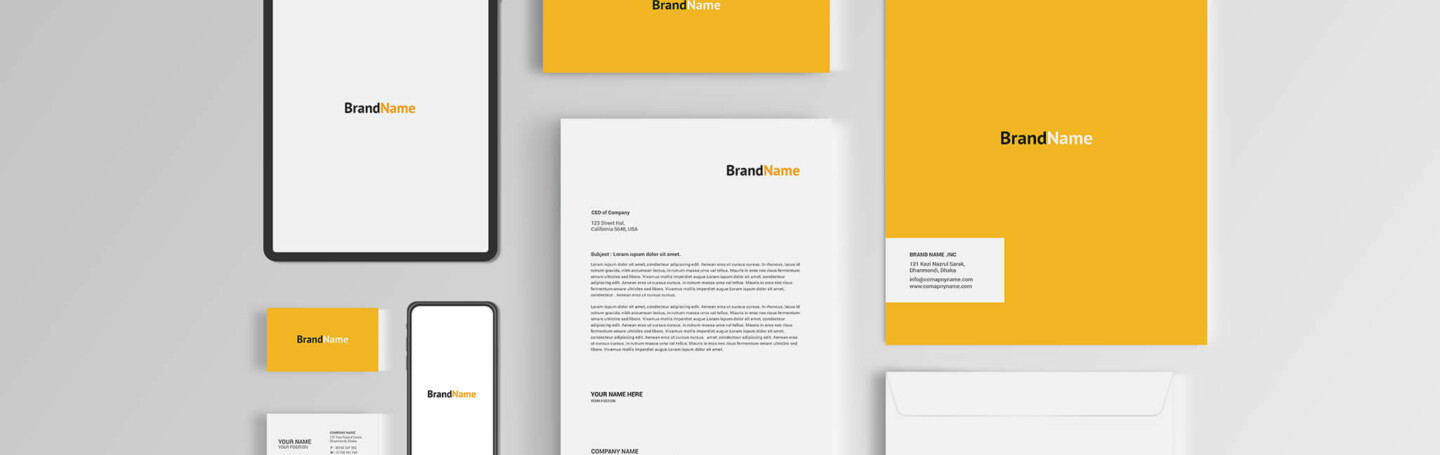
Last updated: September 2026. Brand identity is the set of visible and verbal decisions that tell a customer they are dealing with the same organisation on a website, a quote PDF, a van and an Instagram ad. Logo is one asset. Identity is the system: colour, type, space, photography style, tone of voice and the rules that stop each supplier inventing a new look.
Dsignr Digital designs this as brand identity, then carries it into the website so the homepage does not look like a different company from the business card.
What a complete identity usually includes
- Logo suite: full mark, stacked, icon-only, and versions that survive a dark website header and a one-colour embroidery.
- Colour and type: enough contrast for accessibility, including mobile.
- Imagery direction: real work and people where possible; stock as support, not the whole story.
- Voice: how you write a homepage H1 versus a POPIA notice versus a WhatsApp reply.
- Applications: website, social templates, proposal covers, signage. An unused PDF brand book is not an identity.
Why identity matters more on a noisy web
Templates made every small business look competent and interchangeable. Identity is how a Rosebank studio, a Cape manufacturer or a Durban clinic becomes memorable in a search result thumbnail and a Google Business Profile. It also supports trust: inconsistent logos and colours are a classic signal of a rushed or cloned site. Pair identity with a real website, not only a Linktree.
If the brand exists only as a PNG in a shared drive, ask Dsignr Digital for an identity and web alignment.
Frequently Asked Questions
What is brand identity?
It is the designed system that represents a business: logo, colour, typography, imagery and voice. It is how people recognise you across website, print and social, not just a single logo file.
What is the difference between brand identity and branding?
Branding is the broader work of positioning, reputation and experience. Brand identity is the visible and verbal toolkit used to express that brand consistently.
Do small South African businesses need a full identity?
They need a usable system: a logo that works small, colours that pass contrast, type that loads on the web, and templates for quotes and social. A 80-page book nobody uses is optional; consistency is not.
Should the website be designed before the identity?
Usually identity first, even a lean version, so the site is not redesigned twice. A website can also expose identity gaps — then you fix the system, not only the homepage hero.
How often should a brand identity be updated?
When the business has outgrown the mark, accessibility fails, or applications look dated next to competitors. Refreshing colours and type is cheaper than a full rename.
Is a Canva logo enough?
It can be a placeholder. Problems appear when you need a vector file, a dark-background version, or legal uniqueness. A distinctive, owned mark is part of looking like a real company.
How does brand identity affect SEO?
Indirectly. Clear naming, consistent NAP, recognisable thumbnails and higher trust can improve engagement. Identity does not replace content and links, but a confused brand makes both harder.
Can Dsignr Digital create a brand identity and website together?
Yes. That is the usual path: identity system, then web design that uses it, so you do not pay twice for mismatched work.


